 AIRLINE PILOT CENTRAL
The Evolution of Airline Cockpit Technology - From Analog to Glass Cockpits
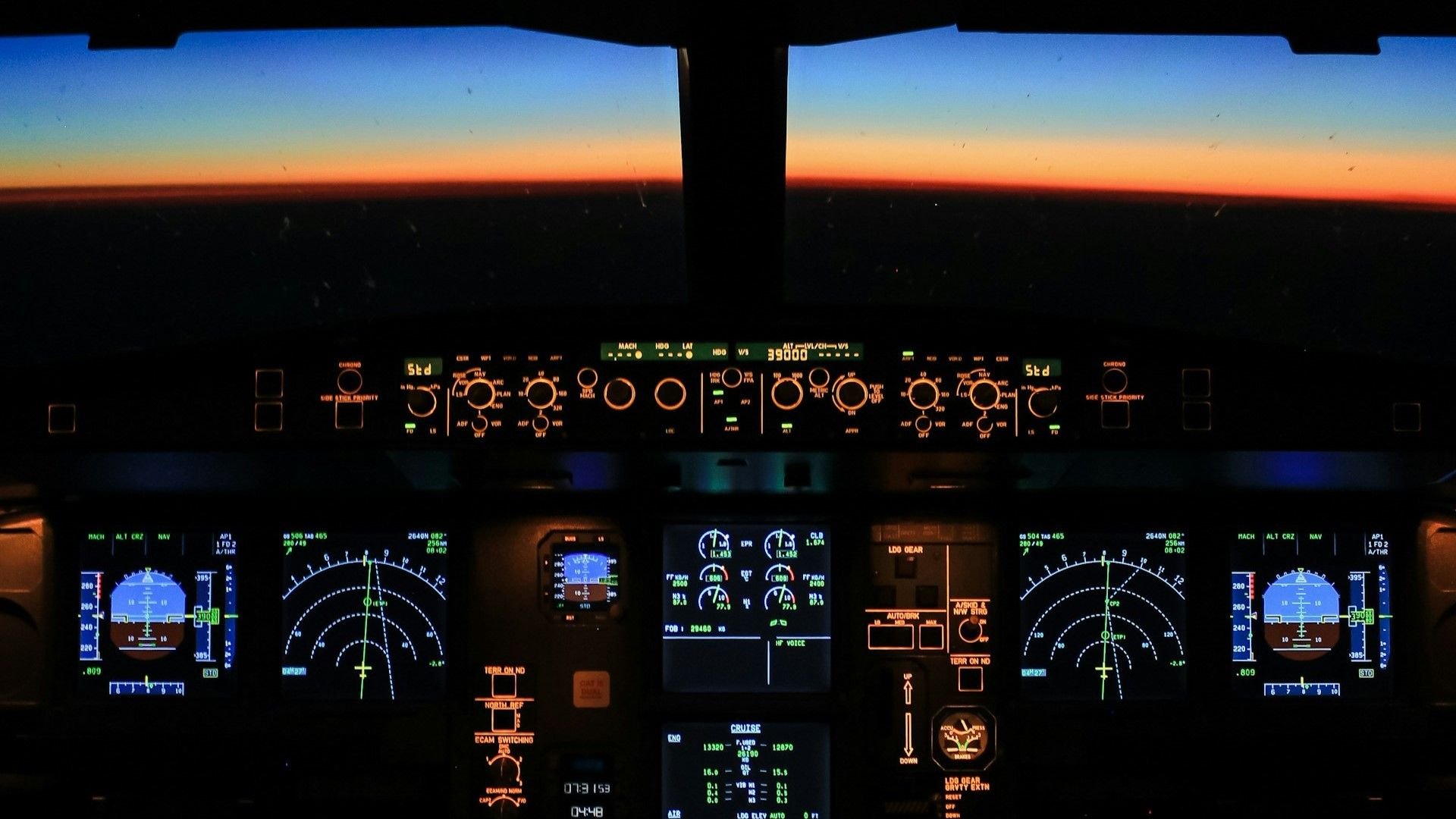
Photo by Andrés Dallimonti on Unsplash
As the New Year approaches, it’s fun to look back and see where we’ve been, both in our lives and in aviation. Today, we take a look at the development of cockpit technology, which has been nothing short of revolutionary. The evolution of aviation from the earliest days of analog equipment to the modern, sophisticated glass cockpits demonstrates both technological advancement and a continuous quest for efficiency and safety.
The majority of cockpit instruments were mechanical and analog in the early days of commercial flight. A variety of physical instruments, including speedometers, artificial horizons, and altimeters, were used by pilots to obtain vital flight information. Pilots had to manually cross-reference several displays in order to read these instruments, which made interpretation difficult and prone to error.
The introduction of digital avionics into the cockpit in the late 1970s and early 1980s marked a sea change. By providing a more automated and integrated approach to flight management, these systems decreased pilot effort and increased flight data accuracy. Digital has truly been a revolution. But the glass cockpit, a completely computerized, digital flight deck, did not become the norm until the 1990s. Pilots may monitor many flight data on a single display with real-time updates and sophisticated alarm systems thanks to the glass cockpit's enormous LCD screens, which replace the conventional array of analog gauges.
A major benefit of glass cockpits is the way information is presented. Pilots' situational awareness is enhanced by the ability to more rapidly evaluate flight data, including altitude, speed, and fuel levels, by incorporating them into graphical forms. To further improve efficiency and safety, modern systems now come equipped with weather radar, sophisticated autopilot features, and predictive flight planning tools.
Even though they are complicated, today's glass cockpits provide unparalleled possibilities, and many modern aircraft come equipped with fully integrated flight management systems. By lowering human error and boosting air safety, these developments will continue to influence aviation's future.
This article may have been assisted with AI.
-

PlaneSense 06/02/2026
-

United Parcel Service 05/26/2026
-

Alaska Airlines 04/30/2026
-

Cape Air 04/30/2026
-

Premier Private Jets 04/14/2026
