 AIRLINE PILOT CENTRAL
The Future of Single-Pilot Operations in Commercial Aviation
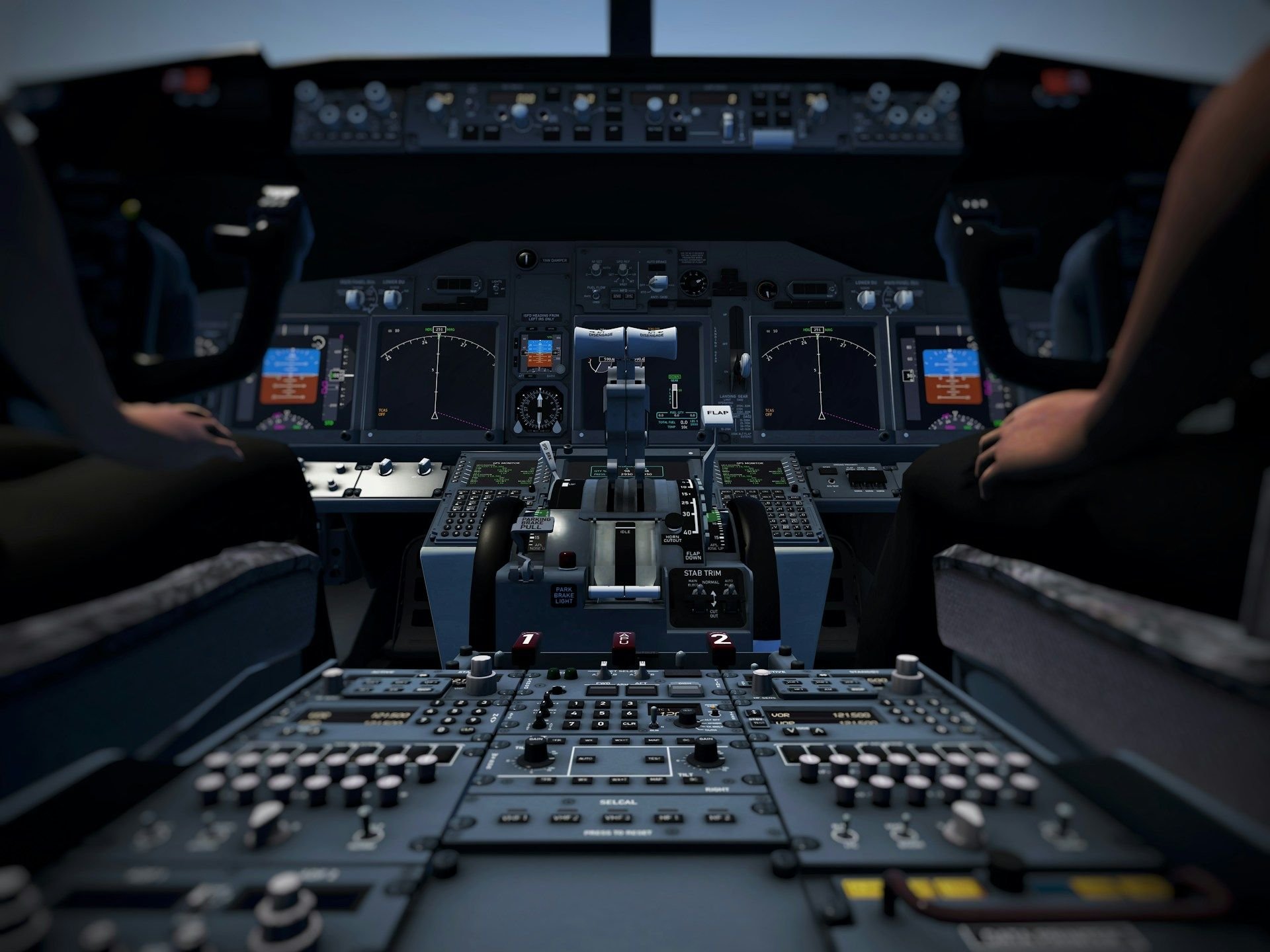
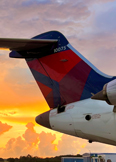
Photo by Taiki Ishikawa on Unsplash
Commercial aircraft have had two pilots in the cockpit for many years. With technological advances, however, certain airlines and aircraft manufacturers are considering single-pilot operations (SPO) as a potential future for commercial aviation. Although the idea is still years away from being put into practice, automation has generated a lot of discussion in the aviation sector.
The single-pilot concept is frequently brought up in relation to Extended Minimum Crew Operations (eMCO). In this approach, a single pilot might control the aircraft during the cruise phase, but two pilots would still be responsible for takeoff and landing.
Manufacturers are investigating new technologies including "smart cockpits," sophisticated automation, pilot health monitoring systems, and ground-based support teams that may help a pilot remotely in unusual circumstances in order to make this feasible. Additionally, researchers are looking into AI-powered systems that could serve as a "virtual co-pilot," assisting pilots in managing their workload and swiftly accessing procedures in challenging situations.
There are still serious safety problems in spite of these technological aspirations. Unresolved problems include pilot incapacitation, exhaustion, cognitive overload, and the loss of cross-checking between two crew members, according to aviation regulators and researchers. Present-day cockpit layouts and monitoring systems are unable to consistently identify minor impairment or guarantee that a single pilot maintains complete awareness during extended flights. Regulators have determined that current technology cannot currently offer a level of safety comparable to conventional two-pilot operations due to these shortcomings.
These measures have been met with heavy opposition from pilot unions. Two pilots continue to be the most important safety redundancy in contemporary airline operations, according to organizations like the Air Line Pilots Association (ALPA) and other international pilot associations. They caution that lowering the number of people working in the cockpit could make scenarios involving heavy workloads, crises, or unusual occurrences riskier. To fight any regulation changes that might permit airlines to reduce flight deck crew, a number of unions have created multinational alliances.
Regulators' attempts to authorize single-pilot airline operations have been halted for the time being. The two-pilot cockpit is still the gold standard for safety, according to the majority of the aviation community, even though automation continues to develop.
-
United Parcel Service 05/26/2026
-
Alaska Airlines 04/30/2026
-
Cape Air 04/30/2026
-

Premier Private Jets 04/14/2026
-
Endeavor Air 04/13/2026
