 AIRLINE PILOT CENTRAL
Will Rising Fuel Costs Due to the Iran Conflict Impact Airline Hiring
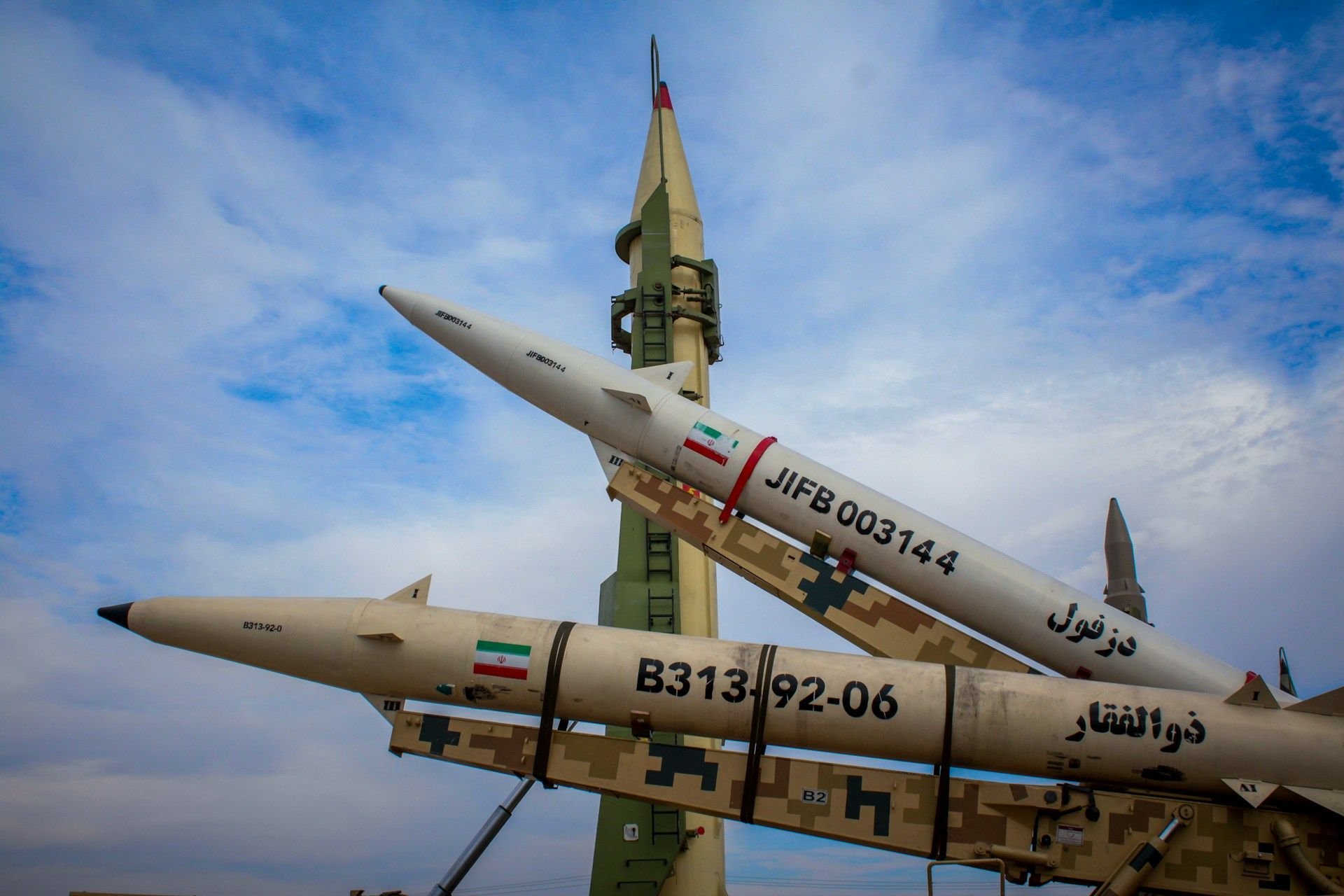
Photo by Moslem Daneshzadeh on Unsplash
The global aviation industry is still under a lot of strain due to rising fuel costs. The recent war between Iran and the coalition of the United States and Israel has led to a severe restriction on the amount of ships that can go through the Strait of Hormuz, which is a vital passageway for the oil industry. Jet fuel is one of the biggest costs for airlines, so even small rises in oil prices can have big effects on their finances.
To get a view on how this might impact hiring and aviation in 2026, let’s look at how airlines usually react. Many carriers impose fuel surcharges, raise ticket costs, or modify route networks to sustain profitability. In order to cut consumption, airlines prioritize newer, fuel-efficient aircraft and may restrict or remove less efficient routes. Although hedging measures, in which airlines lock in fuel prices ahead of time, might offer short-term respite, long-term volatility frequently outlasts these safeguards.
Higher costs and fewer route alternatives, especially in regional or low-demand areas, are the obvious consequences for travelers. However, the ramifications are more profound for the sector, especially in terms of labor planning.
Airline hiring, especially the need for commercial pilots, may be directly impacted by rising fuel prices. If the conflict and supply chain disruptions last for a long time, airlines may postpone aircraft deliveries, cut back on flying frequency, or limit growth plans as operational costs rise. Pilot hiring may slow down or even stop in these situations, particularly for smaller carriers or those with narrower profit margins. For aspiring pilots or those looking to switch airlines, this may cause uncertainty.
The long-term picture gets even more complex. A global pilot shortage could be caused by retirements and long-term growth in travel demand, and this could cause structural problems in the industry. The good news is that fuel price increases are unlikely to reverse the overall demand for pilots during the next ten years, even though they might result in brief recruiting pauses.
Regardless of the military objectives, a time of war does impact the homefront. For the aviation industry, the long-term demand for pilots is anticipated to remain high, but the Middle East-driven fuel price hike may limit airline budgets and slow recruiting in the short term.
-

PlaneSense 06/02/2026
-

United Parcel Service 05/26/2026
-

Alaska Airlines 04/30/2026
-
Cape Air 04/30/2026
-

Premier Private Jets 04/14/2026
